
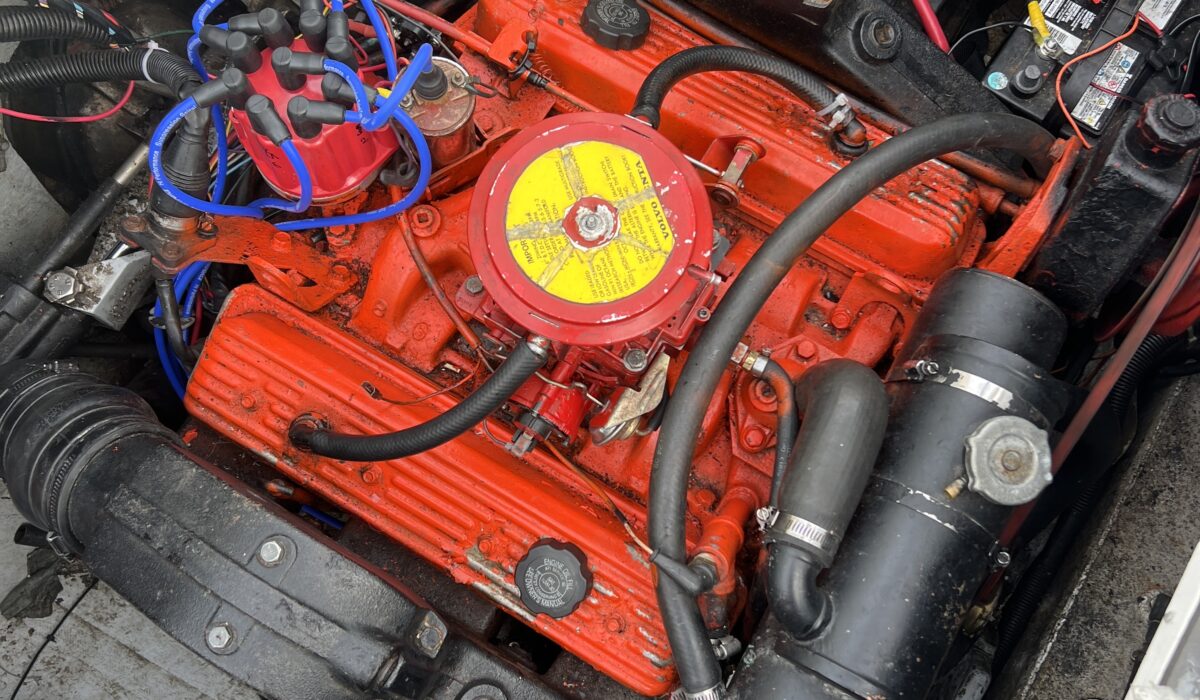
Boat Won’t Start Winter? 7 Common Problems and How to Fix Them Fast
Nothing is more frustrating than stepping onto your boat during the off-season, turning the key, and hearing click… click… nothing.
If your boat won’t start in winter, you’re not alone — cold weather puts extra strain on fuel, batteries, ignitions, and electrical systems.
Here in Vancouver’s damp coastal climate, boats that sit idle for weeks often develop moisture-related problems that only show up when you go to start the engine. The good news? Most winter no-start issues are easy to diagnose and prevent with proper maintenance.
Let’s break down the 7 most common winter engine problems and what you can do to avoid surprise breakdowns when you need your boat running smoothly.
1. Weak or Dead Battery
This is the #1 reason a boat won’t start in winter — cold temperatures lower battery capacity, while internal resistance increases. A battery that works fine in summer can fail overnight in winter.
Typical signs:
-
Slow crank
-
Clicking sound
-
No power to helm electronics
Fix:
-
Fully charge the battery
-
Clean corrosion from terminals
-
Test voltage (12.6V is healthy)
-
Replace old or weak batteries
👉 We offer on-site battery testing and replacement across Vancouver.
2.Moisture in the Electrical System
Winter moisture is the silent killer of marine electrical components. Corrosion can spread over connectors, ignition coils, fuses, and ground points, causing inconsistent or no-start conditions.
Symptoms:
-
Cranks but won’t fire
-
Random loss of spark
-
Hard starting in damp weather
Fix:
-
Clean and dry corroded terminals
-
Apply dielectric grease to prevent moisture
-
Inspect ignition coil, plugs, and harnesses
Prevention:
Using a corrosion inhibitor spray helps protect wiring through rainy Vancouver winters.
3. Bad Fuel or Water in the Fuel System
Fuel becomes contaminated easily in winter. Moisture collects inside tanks, especially if they’re only partially filled.
Common results:
-
Engine cranks but won’t start
-
Rough idle or stalling
-
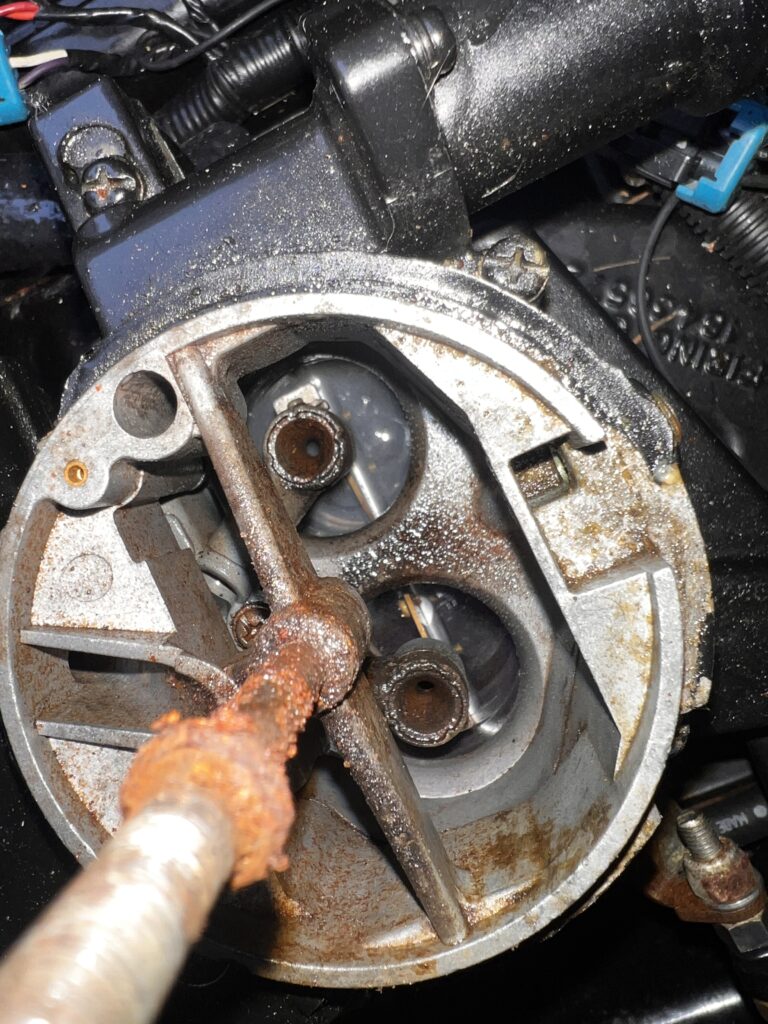
Clogged injectors / carb jets
-
Water in separator
Fix:
-
Drain water/separator filters
-
Add marine fuel stabilizer
-
Clean carb bowls or injector rail
-
Top off tank to reduce condensation
- This picture shows what humidity can do to your carburetor and it will not start:
4. Faulty Starter Motor or Solenoid
Cold-weather corrosion and stuck solenoids frequently cause starting issues.
Symptoms:
-
Single loud click when turning key
-
Engine doesn’t crank at all
-
Starter overheats quickly
Fix:
-
Tap starter lightly with a rubber mallet
-
Test solenoid voltage
-
Clean starter connections
-
Replace starter if worn or corroded internally
If you’re hearing the “click but no crank,” the starter is often the culprit.
5. Winter-Thickened Oil
If your boat won’t start in winter and the engine struggles to turn over, your oil may be too thick for cold temperatures.
Cold oil = higher resistance = slow crank.
Fix:
-
Use the correct viscosity oil for winter
-
Change oil and filter if overdue
-
Warm engine room area before startup
Proper oil weight dramatically improves cold-start reliability.
6. Blocked or Frozen Raw Water Intake
Barnacles, debris, and even ice can clog your engine’s cooling water intake, causing overheating or a no-start issue with modern engines that have safety shut-down features.
Symptoms:
-
No water coming from exhaust
-
Overheat alarm on start-up
-
Engine shuts down quickly
Fix:
-
Inspect seawater strainer
-
Check intake for blockages
-
Clear impeller housing
-
Replace damaged impeller
👉 Bonus: Winter is the perfect time to service your heat exchanger, aftercooler, oil cooler, and fuel cooler systems.
7. Loose Grounds or Poor Electrical Connections
ancouver’s humid winters cause metal to oxidize quickly. Even slightly loose or corroded ground connections can cause a winter no-start.
Symptoms:
-
Intermittent starting
-
Random electrical drops
-
“Everything works except the starter”
Fix:
-
Clean all grounds
-
Tighten battery cables
-
Check fuse blocks and bus bars
This is one of the easiest issues to fix, but commonly overlooked.
Why Winter Causes So Many Engine Problems
During the off-season, your boat:
-
Sits unused
-
Collects moisture
-
Experiences temperature swings
-
Suffers battery drain
-
Develops corrosion
-
Accumulates fuel contamination
That’s why winter troubleshooting calls spike every year — and why investing in proper off-season service prevents the majority of summer breakdowns.
Related Post: Winter Boat Maintenance: 7 Smart Reasons to Service Now
Vancouver Boaters: Why This Matters More Here
Our climate is wet, salty, and mild — the perfect environment for:
-
Battery sulfation
-
Moisture-induced corrosion
-
Fuel water contamination
-
Mold inside bilges
-
Electrical failures
Your boat might not freeze solid, but it absolutely suffers in other ways during winter.
That’s why proactive maintenance now = fewer emergencies later.
📞 Need Fast Winter Diagnostics? We Come to You.
If your boat won’t start this winter, don’t wait until spring to fix it — you’ll be stuck in the long seasonal rush.
At Alesta Marine, we provide:
-
On-site winter diagnostics
-
Marine battery testing & replacement
-
Fuel system cleaning
-
Ignition troubleshooting
-
Starter & electrical repairs
-
Full engine inspections
-
Mobile marine mechanic service across Vancouver
We come to your marina, dock, or storage yard — no hauling needed.
📞 Call Alesta Marine today to book your winter troubleshooting appointment and get your boat running reliably again.
Fixing more than boats, restoring peace of mind! Contact us to get estimate!