
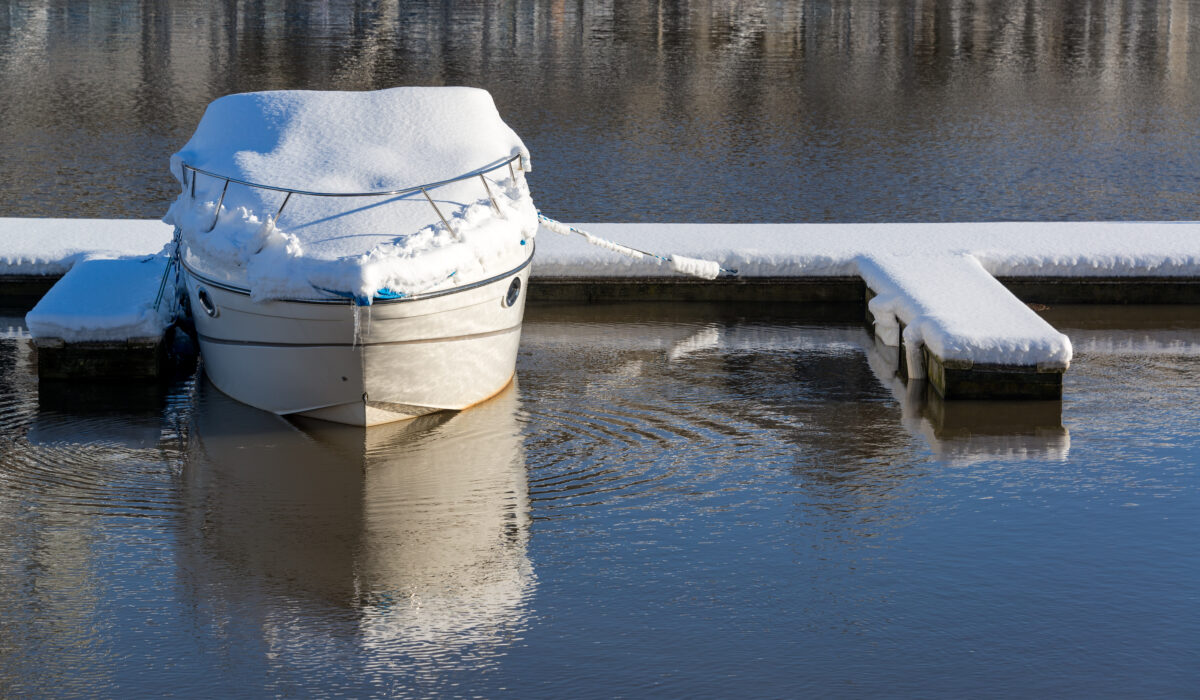
Boat Engine Loses Power in Winter? 9 Critical Causes You Shouldn’t Ignore
Winter is tough on boats — especially in Vancouver’s damp, cool climate, where moisture and temperature swings can throw your engine off balance. If your boat engine loses power in winter, you’re not alone. This is one of the most common cold-season complaints mobile marine mechanics receive.
Loss of power can show up as sluggish acceleration, hesitation, rough running, poor throttle response, or failure to reach normal RPM.
The good news? Most winter power-loss issues are preventable and fixable with the right maintenance. Let’s break down the 9 most common causes — and what you can do before small issues turn into expensive summer repairs.
1. Water in the Fuel System
Winter equals moisture — and moisture inside fuel tanks leads to big trouble. Water droplets settle at the bottom of the tank and feed directly into filters, injectors, and carburetors.
Symptoms:
-
Engine hesitates
-
Unstable RPM
-
Hard starting
-
Misfires under load
Fix:
-
Drain and clean water separators
-
Replace fuel filters
-
Add marine fuel stabilizer
-
Inspect for tank condensation
2. Clogged Fuel Filters
Fuel filters clog faster in winter due to condensation, microbial growth, and debris settling inside tanks while boats sit idle.
A clogged filter means one thing: restricted fuel flow, which causes immediate loss of power.
Fix:
-
Replace primary + secondary fuel filters
-
Inspect fuel lines for blockage
-
Clean carburetor jets or injector screens
Regular filter maintenance is the cheapest way to prevent winter engine trouble.
3. Weak or Failing Battery
Cold weather reduces battery performance dramatically. Even if your engine starts, a weak battery can still cause low voltage to your ignition, EFI system, or fuel pump — leading to power loss.
Symptoms:
-
Slow crank
-
EFI errors
-
Instrument panel flickering
-
Engine loses power at higher RPM
Fix:
-
Fully charge battery
-
Test voltage (12.6V or higher is healthy)
-
Replace weak batteries before they fail
-
Clean and tighten terminals
4. Moisture Inside Electrical Connections
Vancouver’s wet winter is notorious for corroded connectors. Corrosion increases electrical resistance, which disrupts sensors, ignition, and onboard computers.
Common culprits:
-
Ignition coil connectors
-
Grounding points
-
ECU plugs
-
Injector harnesses
Fix:
-
Clean corrosion with contact cleaner
-
Apply dielectric grease
-
Test grounds for continuity
Prevention:
Use marine corrosion-inhibitor spray every 3–6 months.
5. Restricted Raw-Water Flow
If your boat engine loses power in winter, check raw-water intake first. Barnacles, leaves, debris, and even small ice chunks can block cooling water flow.
Modern engines reduce RPM automatically to protect themselves from overheating — causing immediate power loss.
Fix:
-
Inspect and clean seawater strainer
-
Replace impeller if worn
-
Check through-hull for blockages
-
Flush cooling system with fresh water
Related: Marine Engine Coolers Explained
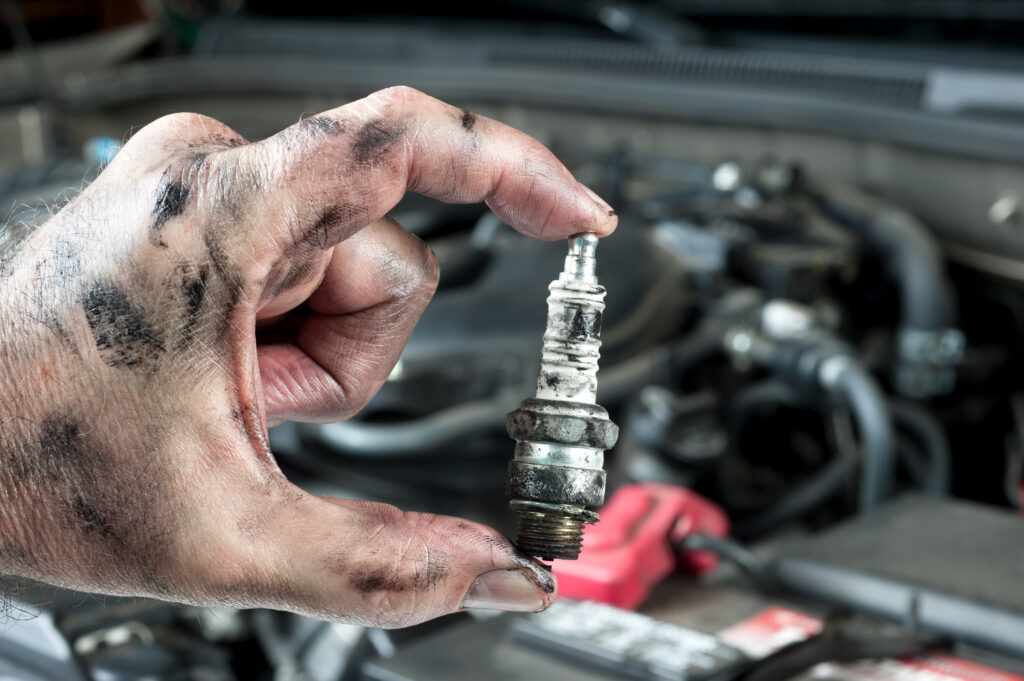
6. Dirty or Failing Spark Plugs (Gas Engines)
Cold and damp weather affects spark efficiency. Fouled plugs or corroded coil boots cause weak ignition, which leads to misfires and major power loss.
Symptoms:
-
Rough idle
-
Shaking under load
-
Slow acceleration
-
Increased fuel burn
Fix:
-
Replace spark plugs
-
Inspect ignition coils
-
Clean plug boots and apply dielectric grease
For high-hour motors, replacing ignition components in winter is a smart move.
7. Old or Incorrect Engine Oil
Cold-thickened oil creates internal resistance, forcing the engine to work harder. This reduces power and increases wear.
Fix:
-
Use manufacturer-recommended winter viscosity
-
Change oil and filter if overdue
-
Inspect for milky oil (a sign of water intrusion)
Proper oil weight = better cold-weather performance.
8. Sensor Failures (O₂, MAP, MAF, Temp Sensors)
Cold weather is tough on sensors. A failing temperature sensor, O₂ sensor, MAP/MAF sensor, or fuel pressure sensor can send incorrect data to the ECU — resulting in reduced power.
Symptoms:
-
Poor throttle response
-
Inconsistent RPM
-
Limp-mode behavior
-
ECU warning lights
Fix:
-
Scan for fault codes
-
Clean or replace sensors
-
Check related wiring
Winter is the best time to diagnose sensor issues before summer breakdowns.
9. Marine Growth on Propeller or Running Gear
If your boat engine loses power in winter, the problem might not be the engine at all. Fouling on propellers, shafts, and struts increases drag and reduces thrust.
Even a thin layer of barnacles can drop top speed by 30% or more.
Fix:
-
Haul out and inspect running gear
-
Remove growth
-
Consider applying PellerClean or Propspeed for long-term protection
Why Your Engine Suffers More in Vancouver Winters
Vancouver winters are mild — but harsh on boats.
Your engine deals with:
-
High humidity
-
Daily temperature swings
-
Salt-laden air
-
Damp marinas
-
Long idle periods
-
Condensation in tanks
-
Corrosion on metal & electrical
All of these conditions make winter power loss extremely common.
That’s why preventive winter service is the best investment you can make in your engine’s reliability.
🔧 How to Prevent Winter Power Loss
Here’s a quick checklist to keep your boat trouble-free:
-
Replace fuel and water-separator filters
-
Top off tank + add stabilizer
-
Charge/test battery monthly
-
Clean all electrical connections
-
Treat with corrosion inhibitor spray
-
Replace spark plugs/coil boots if needed
-
Flush cooling system
-
Inspect propeller and running gear
Winter is the best time to catch problems early — before spring rush.
Need Fast Winter Troubleshooting? We Come to You.
f your boat engine loses power in winter, don’t wait for spring.
By then, shops are jammed, parts are backordered, and you’ll be stuck on the dock.
At Alesta Marine, we provide:
-
Engine diagnostics
-
Fuel system cleaning
-
Electrical troubleshooting
-
Battery replacement
-
Ignition repair
-
Cooling system service
-
Mobile marine mechanic service across Vancouver
We come to your marina, dock, or storage yard — saving you time and getting your boat running properly again.
📞 Call Alesta Marine today to book your winter troubleshooting appointment and get your boat running reliably again.
Fixing more than boats, restoring peace of mind! Contact us to get estimate!