
Boat Winterization: 11 Proven Tips for a Hassle-Free Winter
Boat winterization isn’t just a seasonal chore, it’s the difference between a smooth spring launch and an expensive surprise. A few focused steps now protect your engine, fuel system, plumbing, and hull from freeze damage and corrosion, while preserving resale value and reliability.
Why boat winterization matters
Cold temps make water expand and crack blocks, manifolds, and fittings. Fuel can separate and form varnish. Batteries self-discharge and sulfation sets in. Proper boat winterization prevents those failures, keeps warranties intact, and saves you time when boating season returns.
Boat winterization checklist: 11 proven tips
1. Stabilize and treat fuel
Fill the tank to reduce condensation, add a marine-grade stabilizer, then run the engine 10–15 minutes so treated fuel reaches injectors and carb bowls.
2. Fog the engine (as applicable)
For many gasoline inboards/outboards, fogging oil coats cylinders and throttle bodies to prevent corrosion during storage. Follow the manual for procedure and oil type.
3. Change engine oil and filters
Old oil contains acids and moisture. Warm the engine, change oil and filter, and replace gear lube in drives. Fresh lubricants are a core part of boat winterization.
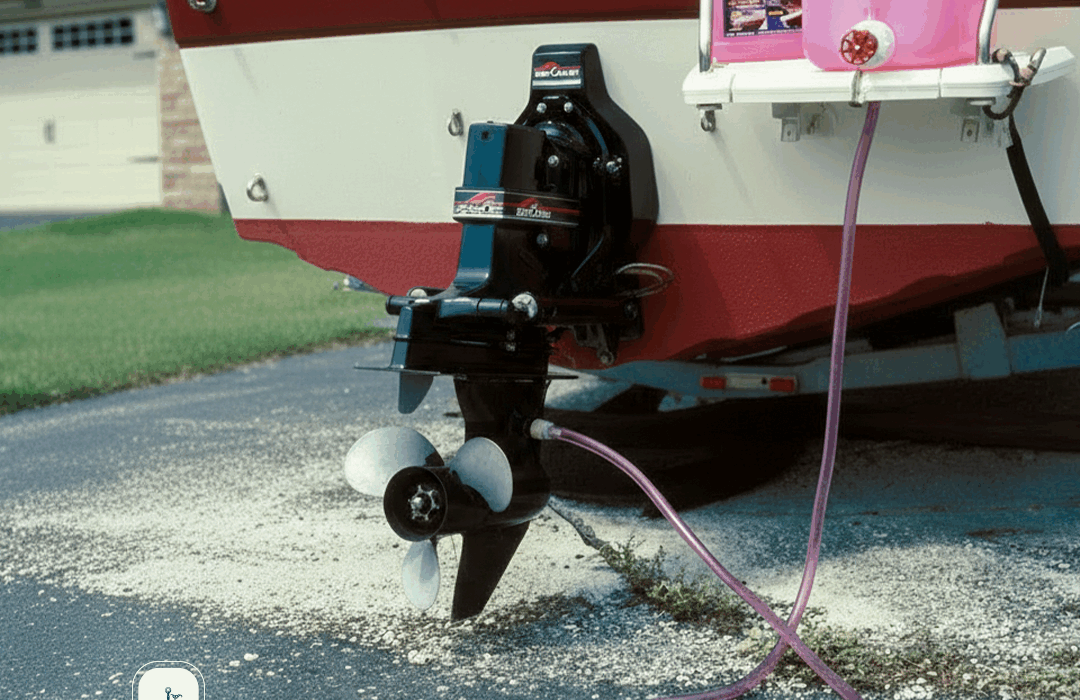
4. Drain and/or antifreeze the raw-water side
Open drains on blocks, manifolds, heat exchangers, and coolers. Use non-toxic propylene glycol antifreeze rated for your climate to protect residual pockets.
5. Protect the freshwater and head systems
Pump out holding tanks. Bypass water heaters if possible. Run pink, non-toxic antifreeze through freshwater lines, showers, and marine heads until it exits each fixture.
6. Charge, test, and disconnect batteries
Clean terminals, top off electrolyte (if serviceable), fully charge, and store on a smart maintainer. Batteries hate sitting discharged.
7. Inspect and preserve fuel & ventilation
Check hoses for date codes, cracks, and softness. Replace ethanol-damaged lines. Confirm vents and flame arrestors are clean to avoid spring no-starts.
8. Clean, dry, and de-mildew
Wash, de-salt, and thoroughly dry bilges and lockers. Add desiccants or a cabin dehumidifier. Interior cleanliness is underrated boat winterization insurance.
9. Service the stern drive/shaft and running gear
Grease fittings, inspect bellows and anodes, and check props for nicks. Touch up bottom paint during haul-out if needed, or plan early spring work.
10. Cover correctly
A properly fitted cover or professional shrink wrap reduces UV damage and prevents freeze-thaw water intrusion. Build vents to reduce moisture under the cover.
11. Document everything
Log dates, products used, and parts replaced. Good records speed commissioning and help future buyers verify care.
DIY boat winterization vs hiring a pro
Confident DIYers with manuals and the right tools can handle most tasks. If your boat has complex systems—closed cooling, generator, onboard heater, joystick controls—professional service may be the safer route. Either way, a thorough boat winterization plan is cheaper than repairs to cracked manifolds or delaminated hoses.
Off-season storage best practices
-
Location: Indoor storage is ideal; outdoor requires an excellent cover and ventilation.
-
Moisture control: Desiccants, airflow, and periodic checks prevent mold, odors, and electrical corrosion.
-
Security: Remove valuables, lock electronics, and note HIN/serials.
-
Periodic checks: Peek monthly for pooling water, torn covers, or rodent activity.
Spring commissioning starts now
Smart boat winterization makes spring easy. Because fuel is stabilized, batteries maintained, and systems protected, you’ll be ready to de-winterize quickly: check fluids, reconnect batteries, flush antifreeze, and perform safety inspections for a confident first ride.
While talking about boat winterization, you can also have a look at BC Boating Association’s winterization blog!
Fixing more than boats, restoring peace of mind! Contact us to get estimate!