Marine electronics installation has become one of the most important upgrades for modern boats. Autopilots, chartplotters, radar, AIS, VHF, sonar, and engine data systems can transform how you navigate and operate—when everything is installed and integrated correctly.
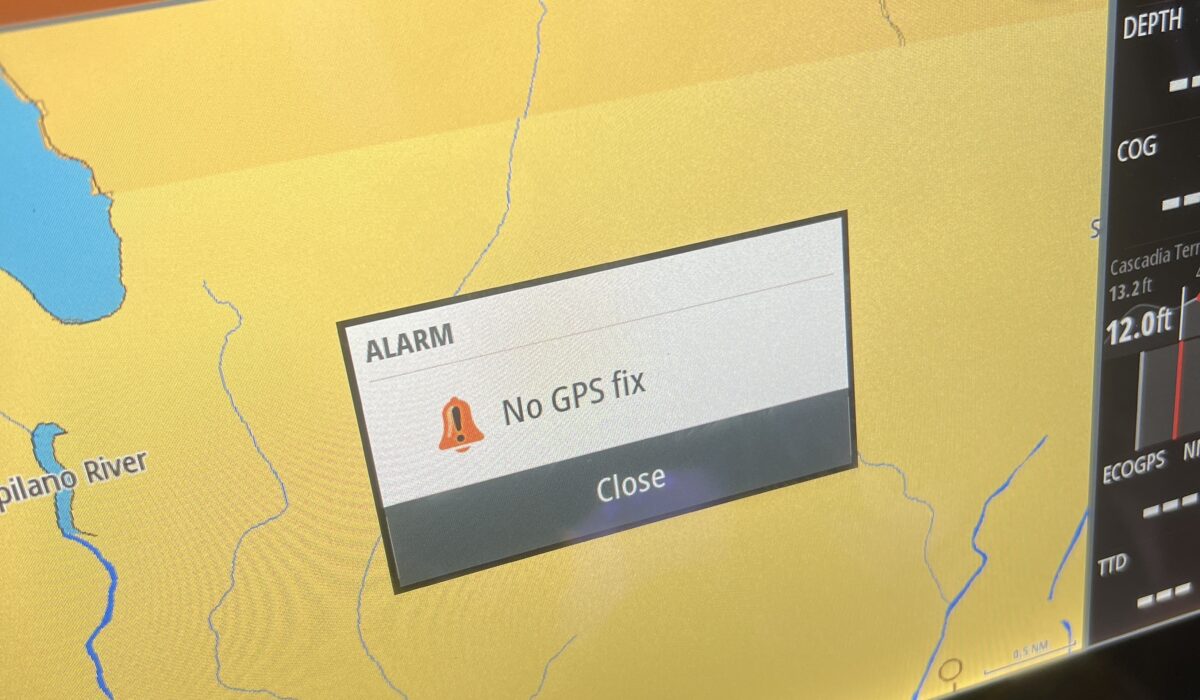
The challenge is that marine electronics are rarely “plug and play.” Many issues boat owners experience after an install—random reboots, unstable heading, inaccurate data, weak GPS signal, or network dropouts—are usually not product problems. They are installation, wiring, network, or calibration problems.
This guide explains how marine electronics installation actually works, what integration means, what commonly goes wrong, and why professional setup and testing matters—especially when your boat is used in coastal conditions like Vancouver.
What “Marine Electronics Integration” Really Means
When people talk about installing electronics, they often imagine adding a screen at the helm. In reality, a reliable system depends on how multiple devices share power, sensors, and data. Integration means your electronics can communicate and display consistent information across the system.
For example, a chartplotter may need data from GPS, heading sensors, depth transducers, AIS targets, wind sensors, and engine gateways. An autopilot may need heading input, speed input, steering feedback, and correct network communication to steer accurately.
A good installation is not only about mounting devices. It’s about building a stable system architecture that performs consistently on the water.
Autopilot Installation Explained (and Why It’s Not Just Wiring)
Autopilot systems often look simple from the user’s perspective: set a course, engage autopilot, and steer hands-free. But underneath, autopilot performance depends on correct system sizing, steering interface setup, and calibration.
Common autopilot installation components may include a control head, course computer, heading sensor, hydraulic pump or drive unit interface, and network connections. Even if every component is installed, autopilots can still behave poorly if the setup is incorrect.
Autopilot problems after installation often come from incorrect pump sizing, improper hydraulic connections, poor power supply stability, or missing calibration steps. Professional installation focuses on correct sizing, clean wiring, stable power, and thorough testing.
Chartplotters, Sensors, and Network Systems (NMEA 2000 and Beyond)
Chartplotters are usually the “hub” for many electronics systems, but they rely on sensors and networks to deliver accurate information. That’s why marine electronics installation often involves network planning—especially when using NMEA 2000.
NMEA 2000 networks require proper backbone design, correct termination, correct cable selection, and clean power injection. When networks are installed incorrectly, issues can appear as intermittent data dropouts, missing devices, or unreliable system behavior.
Integration also matters when connecting devices across different manufacturers. Even when systems are technically compatible, incorrect network layout or improper grounding can create confusing, intermittent faults.
Common Marine Electronics Installation Mistakes
Many electronics problems are caused by a few repeating mistakes. These issues often don’t show up immediately at the dock—but appear underway, when systems are under real load.
- Unstable power supply: voltage drops, shared circuits, or undersized wiring can cause reboots and erratic behavior.
- Poor cable routing: running signal cables near high-current wiring can introduce interference.
- Incorrect network design: missing terminators, incorrect power injection, or backbone layout problems can cause devices to disappear.
- Improper grounding: grounding faults can create noise, data instability, or safety issues.
- Skipping calibration: autopilot and sensors require calibration to function accurately and consistently.
Preventing these mistakes is one of the biggest benefits of professional installation.
Why Calibration and On-Water Testing Matter
Calibration is the step many DIY installs underestimate. A system that powers on at the dock can still perform poorly on the water if calibration is incomplete.
For autopilots, calibration may include rudder setup (if applicable), compass calibration, sea trial tuning, response settings, and verification of steering behavior. For chartplotters and sensors, testing may include confirming GPS accuracy, verifying depth readings at speed, confirming transducer placement performance, and ensuring data is stable under real conditions.
On-water testing matters because many issues only appear when the boat is moving, steering loads change, or devices are simultaneously transmitting and receiving data across the network.
Mobile Marine Electronics Installation in Vancouver
Many electronics installations can be completed on-site at the marina. Mobile service can reduce downtime, eliminate transport delays, and allow testing in the environment where the boat actually operates.
Mobile electronics installation is especially useful for troubleshooting existing systems, upgrading chartplotters, integrating new sensors, and diagnosing network issues. The key is using a diagnostic approach—testing power stability, network integrity, and system configuration rather than guessing.
When to Call a Professional for Marine Electronics Installation
If you’re installing a simple accessory, DIY may be possible. But if your setup involves autopilots, network integration, multiple sensors, or any safety-critical systems, professional support can prevent expensive troubleshooting later.
Consider professional installation if:
- You are adding or upgrading an autopilot system
- You need NMEA 2000 network design or expansion
- Your electronics reboot, freeze, or lose data intermittently
- You need integration between multiple devices or brands
- You want proper calibration and on-water testing
Professional Marine Electronics Support
At Alesta Marine, we provide marine electronics installation and integration support for boat owners across Vancouver and the North Shore. From autopilot installs to chartplotter upgrades and network troubleshooting, professional setup and testing helps ensure your electronics work reliably when it matters most—on the water.
If you’re planning an upgrade or dealing with unreliable electronics, a professional inspection can help confirm what’s needed and how to get a clean, dependable result.
Fixing more than boats, restoring peace of mind! Contact us to get estimate!